7 Proven Ways to Automate Lead Follow-Up for UK Small Businesses
Tired of leads slipping away because your team can’t follow up quickly enough as a UK small business?
Why Lead Follow-Up Automation is Essential for UK Small Businesses
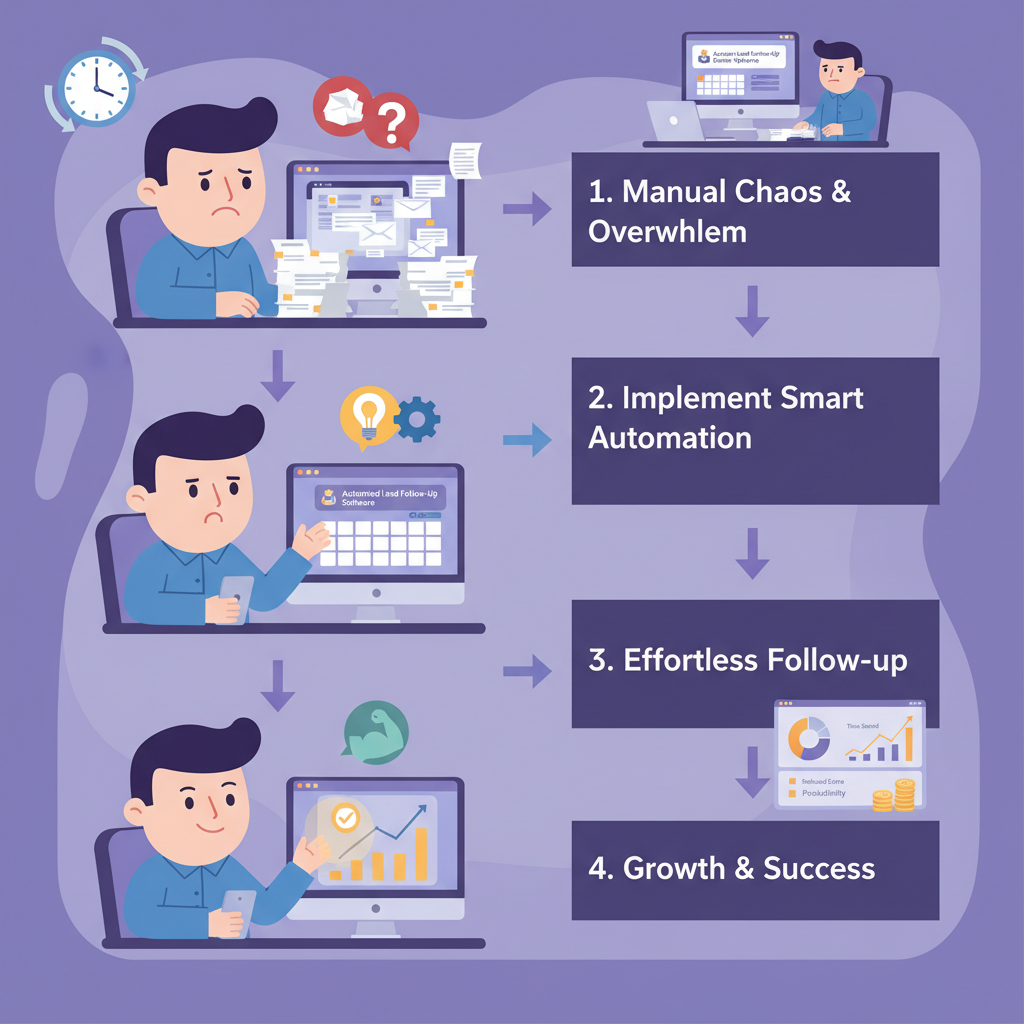
Lead follow-up automation UK small businesses adopt transforms chaotic manual processes into efficient, scalable systems that nurture prospects around the clock.
Slow or inconsistent follow-ups lead to lost sales, overwhelmed teams, and missed growth opportunities in the competitive UK market.
In this post, explore 7 proven ways to implement lead follow-up automation tailored for UK SMBs, with a focus on practical tools and GDPR compliance.
1. Set Up Automated Email Follow-Up Sequences
Automated email sequences are the cornerstone of lead follow-up automation for UK small businesses. They allow you to send timely, relevant messages to prospects without manual intervention, ensuring no lead falls through the cracks. Platforms like Mailchimp, ActiveCampaign, or Klaviyo offer user-friendly interfaces suitable for SMEs, with free tiers or low-cost plans that fit tight budgets.
Begin by mapping out a multi-step drip campaign. For instance, send an immediate thank-you email upon form submission, followed by value-packed content two days later, and a gentle nudge a week after. Incorporate basic personalisation using the lead’s name and recent activity to boost engagement rates. Crucially, always include a consent checkbox on your forms to capture explicit permission for communications, aligning with UK GDPR requirements.
Testing is key: send previews to yourself and a small test group before going live. Monitor open and click rates to refine your sequences over time, turning one-off leads into loyal customers.
- Choose a GDPR-compliant email platform with UK data hosting options.
- Design 3-5 emails in a sequence: welcome, value-add, call-to-action.
- Add unsubscribe links and preference centres in every email.
- Personalise subject lines and content with merge tags.

Opt for tools like ActiveCampaign (starts free) or Mailchimp, which offer built-in GDPR templates, consent tracking, and easy segmentation for UK businesses.
- Add consent checkbox to all lead forms.
- Set up your first drip sequence with 3 emails.
- Test the full flow end-to-end.
- Schedule initial sends for peak engagement times (e.g., mid-week mornings).
2. Integrate CRM Systems for Seamless Lead Management
Integrating a CRM system supercharges lead follow-up automation UK small businesses by centralising all prospect data and automating status updates. Tools like HubSpot’s free CRM or Pipedrive provide seamless connections to your website forms, email platforms, and calendars, eliminating data silos.
Once integrated, new leads from forms or ads automatically sync to your CRM, tagged with source and engagement level. Set rules to assign follow-ups to sales reps or trigger emails instantly. For UK businesses, select CRMs with EU/UK data centres to ensure compliance and fast performance.
Secure integrations via API keys or native connectors, and regularly audit access logs to maintain data security. This workflow not only saves hours weekly but also provides a clear view of your sales pipeline.
- Connect website forms to CRM using plugins like Zapier or native integrations.
- Automate lead scoring based on interactions.
- Assign tasks automatically for high-potential leads.
- Use UK-based hosting where available for data residency.
HubSpot Free: Unlimited users, basic automations. Pipedrive: Sales-focused with visual pipelines, GDPR tools included.
- Map your lead sources to CRM fields.
- Test sync with dummy leads.
- Set up automated task assignments.
- Review data privacy settings.
3. Leverage Trigger-Based Workflows
Trigger-based automations take lead follow-up to the next level by reacting in real-time to user actions, perfect for busy UK small businesses. No-code platforms like Zapier, Make (formerly Integromat), or built-in CRM tools let you create ‘if-this-then-that’ rules without developers.
For example, trigger a thank-you email on form submission, enrol in a nurture sequence on email open, or notify sales on website revisits via pixel tracking. Real-world use: abandoned cart reminders for e-commerce or re-engagement for dormant leads. Always test workflows thoroughly to prevent spam-like behaviour or loops.
These automations scale effortlessly, handling hundreds of leads without extra staff, while logging every action for GDPR accountability.
- Identify key triggers: form submits, page views, email opens.
- Use Zapier for multi-tool connections.
- Test with live scenarios before scaling.
- Include delay steps for natural pacing.

Untested workflows can cause duplicate emails or data errors, risking GDPR violations or customer annoyance.
- List 3-5 common triggers for your business.
- Build and test one Zap.
- Monitor first 50 runs manually.
- Document all rules for team reference.
4. Segment Leads and Personalise Communications
Segmentation ensures your lead follow-up automation UK small businesses run feels bespoke, increasing open rates by up to 20%. Group leads by criteria like industry (e.g., retail vs. services), engagement score, or location using CRM lists or email tool features.
Personalisation goes further: dynamically insert company details, past interactions, or tailored offers. Tools auto-populate content blocks based on segments. Under UK GDPR, only use data you’ve lawfully obtained consent for, and offer easy segment opt-outs.
This approach nurtures leads effectively, moving cold prospects to hot opportunities while respecting privacy.
- Segment by: source, behaviour, demographics.
- Use dynamic content in emails.
- Track segment performance separately.
- Refresh lists weekly.
Start simple: hot/warm/cold. Advance to industry-location combos for UK targeting.
- Create 3 initial segments.
- Add personalisation to next campaign.
- A/B test segmented vs. broadcast.
- Audit data usage for GDPR.
5. Add SMS for Faster Multi-Channel Follow-Ups
SMS follow-ups complement email in lead follow-up automation UK small businesses, boasting 98% open rates for time-sensitive nudges. Integrate providers like Twilio, MessageBird, or SMS by Zapier with your CRM for automated sends triggered by events like appointment bookings.
Craft short, actionable messages: ‘Hi [Name], your demo is ready – reply YES to confirm.’ Time for UK hours (9am-7pm) and use double-opt-in: initial consent plus confirmation link. Hybrid sequences – email first, SMS reminder – maximise reach without overwhelming.
Compliance is strict: log consents, provide opt-out (‘STOP’), and limit frequency to avoid fines.
- Choose TCPA/GDPR-compliant SMS provider.
- Keep messages under 160 chars.
- Integrate via API or Zapier.
- Send during business hours only.
Lack of explicit opt-in can lead to ICO fines up to 4% of turnover. Always verify consent.
- Set up double-opt-in for SMS.
- Test multi-channel sequence.
- Limit to 1-2 SMS per week per lead.
- Track opt-out rates closely.
6. Deploy AI Chatbots for Real-Time Lead Qualification
AI chatbots provide instant lead follow-up automation UK small businesses need, engaging visitors 24/7 on your website. Platforms like ManyChat (Facebook), Tidio, or Intercom offer no-code builders for qualification scripts: ‘What challenges are you facing?’ then capture emails and tag in CRM.
Route hot leads to booking calendars or email sequences; cold ones to nurture paths. For offline visitors, trigger follow-up emails. Set GDPR-compliant privacy notices and data minimisation – only collect essentials.
Chatbots qualify leads faster than forms, boosting conversion by handling objections proactively.
- Embed on high-traffic pages.
- Script 5-7 Q&A flows.
- Integrate with CRM for tagging.
- Enable human handover for complex queries.
Tidio: Affordable, GDPR-ready. ManyChat: Great for Messenger integration.
- Build qualification script.
- Test on mobile/desktop.
- Link to follow-up automations.
- Add privacy consent in chat.
7. Monitor Performance, Optimise, and Ensure GDPR Compliance
Ongoing monitoring is vital for lead follow-up automation UK small businesses to thrive without pitfalls. Use built-in dashboards in your tools to track open rates, click-throughs, conversions, and unsubscribe rates. Set alerts for drops indicating issues.
Optimise via A/B testing subject lines, send times, or content. Iterate based on data: if a segment underperforms, refine triggers. GDPR demands: maintain consent logs, easy unsubscribes, data audits, and pause if complaints arise.
This disciplined approach ensures automations drive growth compliantly and efficiently.
- Key metrics: OR, CTR, conversion rate, churn.
- A/B test one variable at a time.
- Audit consents quarterly.
- Backup data regularly.
Fines, reputational damage. Implement consent management and review processes now.
- Set up key metric dashboards.
- Run first A/B test.
- Complete GDPR checklist.
- Schedule monthly reviews.
Take Control of Your Sales Pipeline with Automation
Implementing these 7 ways to lead follow-up automation UK small businesses can reclaim time, nurture leads effectively, and scale sales without proportional staff increases. From email sequences to chatbots, each layer builds a robust, compliant system.
Prioritise GDPR at every step to safeguard your operations. Start small – perhaps with email and CRM – and expand as you gain confidence.
Consider consulting automation specialists for tailored setups, ensuring your pipeline flows smoothly in the UK market.
Key points
- Manual lead follow-ups drain time and let opportunities slip for UK small businesses.
- Lead follow-up automation UK small businesses implement nurtures leads consistently and scales with growth.
- Begin with email sequences and CRM integrations for immediate efficiency gains.
- Incorporate multi-channel approaches like SMS and chatbots for better engagement.
- GDPR compliance is non-negotiable – prioritise consent and monitoring to protect your business.
- Regular optimisation ensures automations deliver ongoing value without risks.
Frequently asked questions
Is lead follow-up automation suitable for small UK businesses?
Yes, lead follow-up automation is well-suited for UK small businesses, as it helps manage leads efficiently without needing large teams or complex IT setups. Tools like Mailchimp or HubSpot offer free or low-cost tiers with easy-to-use interfaces, allowing you to start small and scale as your business grows. The key is choosing GDPR-compliant platforms and testing workflows to match your specific processes and data quality.
How can I ensure my lead follow-up automations comply with GDPR?
GDPR compliance in lead follow-up automation requires obtaining explicit consent for communications, providing clear unsubscribe options, and maintaining accurate records of data processing. Use platforms with built-in consent tracking, limit data collection to essentials, and conduct regular audits of your workflows. Always include privacy notices on forms and monitor for any consent withdrawals to avoid risks.
What tools should UK small businesses use for lead follow-up automation?
Popular tools for UK small businesses include ActiveCampaign, HubSpot CRM, and Zapier for integrations, many of which offer GDPR features and UK data hosting options. Select based on your existing systems, budget, and technical comfort level—start with no-code options to minimise setup complexity. Integration ease and compliance tools are crucial factors to consider.
How long does it take to set up lead follow-up automation?
Setup time for lead follow-up automation varies depending on your current tools, process clarity, and team familiarity, typically ranging from a few hours for simple email sequences to several days for multi-channel workflows with CRM integrations. Begin with basic tests on small batches to identify issues early, allowing for iterative improvements without disrupting operations.
Can lead follow-up automation integrate with my existing CRM or email system?
Most lead follow-up automation tools integrate seamlessly with popular CRMs like HubSpot or Pipedrive and email platforms via native connectors or Zapier. Check compatibility beforehand and test data flows thoroughly to ensure smooth syncing while maintaining data security and GDPR standards. This approach leverages your existing investments effectively.
Ready to Streamline Your Lead Follow-Ups?
Business Automations UK can help you implement GDPR-compliant lead follow-up automation tailored to your small business needs. Get in touch for expert guidance and a review of your current processes.
This article is for general information only. It is not legal, financial, or compliance advice. If you are unsure about GDPR, HMRC, or regulatory obligations, speak to a qualified professional or reach out to us for more information.
Related Posts
Should I Use AI to Build My Website? Pros, Cons & Costs

How to Automate Client Onboarding for UK SMEs: A Practical Guide
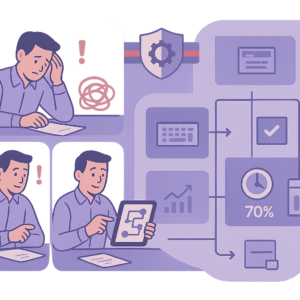
How to Automate Insurance Claim Processing for UK SMEs: Streamline Approvals & Reduce Admin
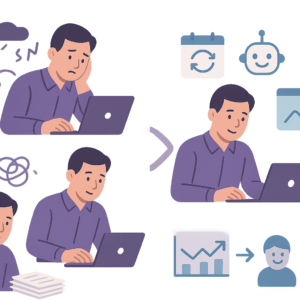
How to Automate Subscription Billing for UK SMEs: Reduce Churn & Streamline Recurring Payments
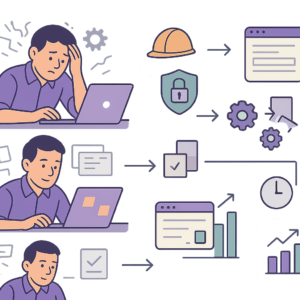
How to Automate Health and Safety Incident Reporting for UK SMEs: Streamline Compliance & Reduce Liability
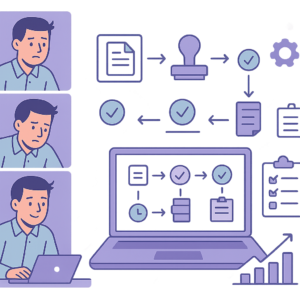
How to Automate Purchase Order Approval Workflows for UK SMEs: Cut Delays & Boost Compliance
How to Automate Vendor Invoice Processing for UK SMEs: Speed Up Payments & Reduce Errors
How to Automate Invoice Payment Chasing for UK Small Businesses: A Proven 5-Step Guide
How to Automate Supplier Onboarding for UK SMEs: Streamline Procurement & Ensure Compliance

How to Automate Inventory Management for UK SMEs: Reduce Stock Errors & Boost Efficiency
How to Automate Risk Assessment Workflows for UK SMEs: A Compliance Guide
How to Automate GDPR Data Retention Policies for UK SMEs: Delete Personal Data Lawfully
- Should I Use AI to Build My Website? Pros, Cons & Costs
- How to Automate Client Onboarding for UK SMEs: A Practical Guide

- How to Automate Insurance Claim Processing for UK SMEs: Streamline Approvals & Reduce Admin
- How to Automate Subscription Billing for UK SMEs: Reduce Churn & Streamline Recurring Payments
- How to Automate Health and Safety Incident Reporting for UK SMEs: Streamline Compliance & Reduce Liability