Why Manual Invoice Chasing is Draining UK SMEs
Late payments are forcing UK SMEs to waste hours weekly on manual chasing—imagine reclaiming that time with invoice payment chasing automation for UK SMEs.
Why Manual Invoice Chasing is Draining UK SMEs
Invoice payment chasing automation for UK SMEs addresses the growing frustration of overdue invoices that disrupt cash flow and tie up valuable admin time.
Many small business owners resort to spreadsheets and endless emails, leading to errors, forgotten follow-ups, and strained client relationships.
This guide shows how straightforward automation can reduce late payments, ensure compliance, and let you focus on growth.
The Pain Points of Manual Invoice Payment Chasing
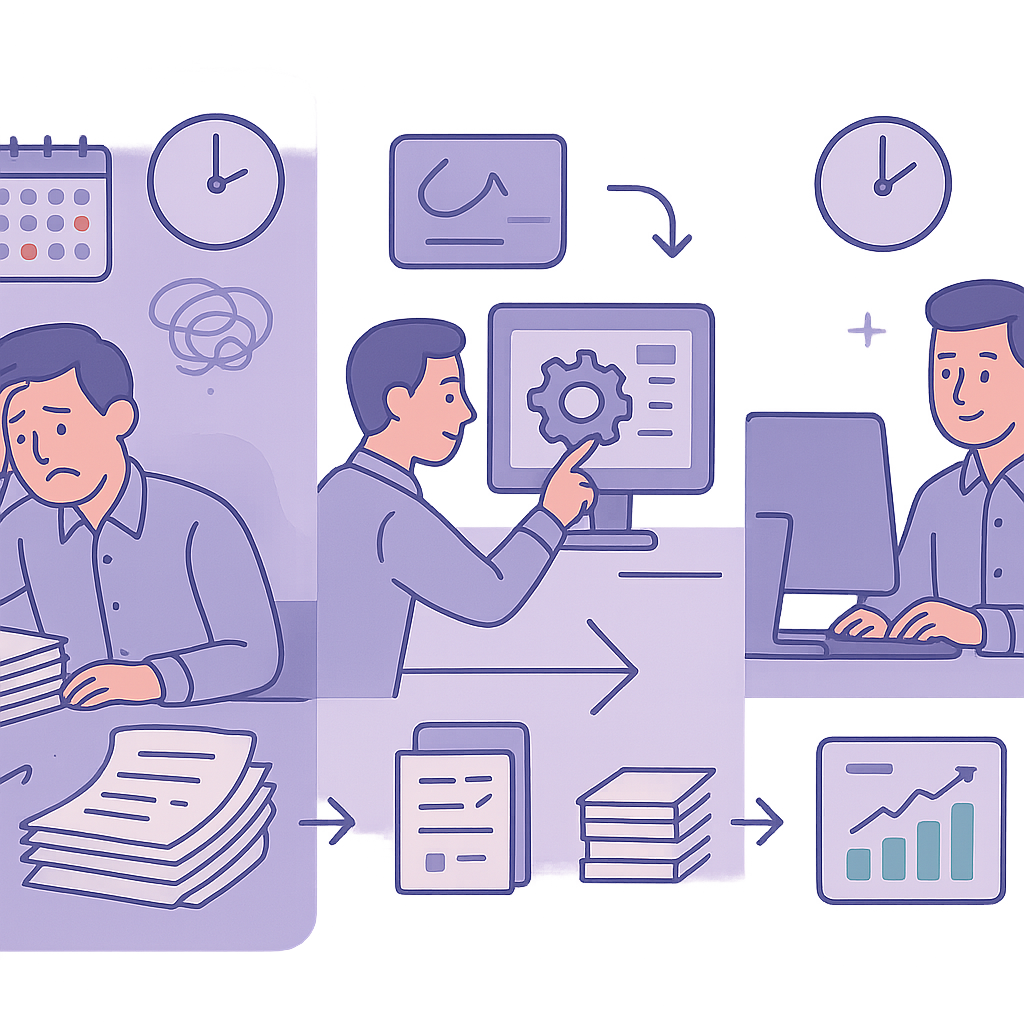
Manual invoice payment chasing is a relentless drain on resources for UK SMEs. Business owners and small teams often spend hours each week drafting personalised emails, making follow-up calls, and meticulously updating spreadsheets to track payment statuses.
This repetitive admin work not only steals time from revenue-generating activities but also opens the door to costly mistakes. A forgotten reminder or a duplicated email can erode client trust and complicate your records.
As your business grows, the volume of invoices increases, turning what was manageable into an overwhelming burden that hampers scalability and adds unnecessary stress.
- Time wasted on repetitive emails, calls, and spreadsheet updates instead of focusing on core business growth.
- High risk of human errors, such as missed follow-ups, incorrect amounts, or chasing paid invoices.
- Strained client relationships from inconsistent or overly frequent manual communications.
- Difficulty scaling processes as invoice volumes rise, leading to bottlenecks in small teams.

Repeatedly chasing the same invoice or using aggressive language can damage client relationships and lead to complaints. Always verify statuses before sending reminders to prevent errors and maintain professionalism.
The Real Impact of Late Payments on UK Businesses
Late payments plague UK SMEs, with research from bodies like the Federation of Small Businesses indicating that over 60% of small firms experience payment delays averaging 30 days beyond terms. This chronic issue directly hits cash flow, forcing many to juggle supplier payments or resort to expensive overdrafts.
Beyond immediate finances, late payments create a ripple effect: delayed investments in stock, marketing, or hiring; increased borrowing costs; and even the risk of bad debts that write off thousands annually.
The emotional toll is equally significant—owners report heightened stress and reduced focus on strategic growth, perpetuating a cycle of operational firefighting.
- Cash flow disruptions leading to delayed supplier payments and overdraft fees.
- Lost opportunities for reinvestment, expansion, or innovation due to tied-up capital.
- Accumulation of bad debts, with UK SMEs writing off an average of £25,000 yearly.
- Increased stress and admin burden diverting attention from business development.
Persistent late payments can lead to insolvency risks for SMEs. Monitor your debtor days closely and act early to avoid irreversible financial strain.
Key Benefits of Invoice Payment Chasing Automation
Invoice payment chasing automation for UK SMEs delivers immediate relief by handling reminders and tracking automatically, freeing up hours weekly for higher-value tasks.
Businesses typically see payment times reduce by 10-20 days, boosting cash flow predictability and reducing the incidence of bad debts.
Moreover, automated systems maintain professional, consistent communication, preserving client relationships while scaling effortlessly with business growth.
- Significant time savings—automate repetitive tasks and reclaim 5-10 hours per week.
- Faster payments with on-time reminders, improving average debtor days.
- Enhanced professionalism through timely, personalised yet consistent follow-ups.
- Scalable solution that grows with your invoice volume without added staff costs.
- Better data insights for forecasting and decision-making.

A marketing agency automated chases and reduced overdue invoices from 40% to 15% within three months, recovering £20k in outstanding payments.
How Invoice Payment Chasing Automation for UK SMEs Works
At its core, invoice payment chasing automation triggers actions based on invoice statuses from your accounting software. When an invoice passes its due date, the system automatically sends a polite reminder email.
Subsequent escalations occur at set intervals—e.g., 7 days, 14 days—with escalating urgency if needed, while tracking opens, clicks, and payments in real-time.
Integrations with popular UK tools like Xero, QuickBooks, or FreeAgent ensure seamless data flow, updating records automatically upon payment confirmation.
- Invoice issued → Due date monitored automatically.
- Overdue → First friendly reminder sent via email/SMS.
- Payment tracked → Status updated; escalation if unpaid.
- Payment received → Records sync and client thanked automatically.
Step-by-Step Guide to Setting Up Automated Payment Reminders
Setting up invoice payment chasing automation is straightforward with no-code platforms like Zapier, Make.com, or built-in features in Xero and QuickBooks. Start by connecting your accounting software to the automation tool.
Define triggers such as ‘invoice overdue by 1 day’, then craft reminder templates with clear payment instructions and links.
Test the workflow end-to-end with dummy invoices before going live, and monitor initial runs closely.
- Connect your accounting software (e.g., Xero) to an automation platform.
- Set triggers: invoice due date passed, no payment received.
- Customise reminder sequences: Day 1 (gentle nudge), Day 7 (firm reminder), Day 14 (escalation).
- Include payment links, due amounts, and opt-out instructions in emails.
- Test thoroughly and launch with a small batch of invoices.
Xero, QuickBooks Online, Zapier, or Chaser.io offer ready-made templates for UK SMEs.
Ensuring GDPR Compliance in Your Automation
GDPR compliance is non-negotiable for invoice payment chasing automation in the UK. Ensure you have explicit consent for storing and using client contact data, and always include clear opt-out options in every communication.
Maintain audit trails of all sends, opens, and unsubscribes, and secure data with encryption during transmission.
Regularly review client feedback and pause automations if complaints arise regarding spam or data handling.
- Obtain and record consent for email communications at onboarding.
- Include ‘unsubscribe’ links and opt-out instructions in every reminder.
- Use secure, GDPR-compliant platforms with data processing agreements.
- Keep logs of all automation activities for audit purposes.
- Respect ‘do not contact’ requests immediately.
Failure to provide opt-outs or handle data securely can result in fines up to 4% of turnover. Always consult a data protection officer for complex setups.
Best Practices for Effective Implementation
To maximise invoice payment chasing automation, personalise reminders with client names and invoice specifics, and balance frequency to avoid annoyance—typically three reminders max per cycle.
Incorporate feedback loops by surveying clients post-payment, and track key metrics like average payment time and recovery rates to refine your workflow.
Scale gradually, starting with high-value clients, and integrate with broader cash flow tools for holistic visibility.
- Personalise messages for better response rates.
- Limit reminder frequency to prevent client fatigue.
- Monitor metrics: debtor days, open rates, payment speed.
- Gather client feedback and adjust tones accordingly.
- Integrate with CRM for relationship insights.
Average days to pay (target <30), reminder open rate (>70%), overdue recovery rate (>90%).
Reclaim Your Time and Secure Your Cash Flow
Implementing invoice payment chasing automation for UK SMEs is a game-changer that eliminates manual drudgery, accelerates payments, and safeguards your finances—all while staying fully compliant with UK regulations.
By automating these processes, you not only reduce late payments but also gain peace of mind and the bandwidth to drive business growth.
Consider reviewing your current invoicing setup with a specialist to identify quick wins and ensure seamless implementation.
Key points
- Manual invoice chasing drains time and allows late payments to persist in UK SMEs.
- Invoice payment chasing automation for UK SMEs cuts admin by automating reminders and tracking.
- Always prioritise GDPR compliance with opt-outs and data security in automations.
- Start small with tested workflows to see quick reductions in overdue invoices.
- Regular monitoring ensures smooth operations and better cash flow control.
Frequently asked questions
Is invoice payment chasing automation suitable for small UK businesses?
Yes, invoice payment chasing automation is highly suitable for UK SMEs of all sizes. It integrates seamlessly with common accounting tools like Xero and QuickBooks, scales with your invoice volume, and requires no advanced technical skills, making it accessible for small teams looking to reduce admin without hiring extra staff.
How long does it typically take to set up invoice payment chasing automation?
The setup time for invoice payment chasing automation depends on factors such as your existing systems, data quality, and process clarity. Many UK SMEs can have a basic workflow running within a few days using no-code platforms, though thorough testing and customisation may extend this based on complexity.
Will invoice payment chasing automation comply with GDPR requirements?
Invoice payment chasing automation can fully comply with GDPR if implemented correctly. Always ensure you have client consent for communications, include clear opt-out options in every reminder, use secure platforms with data processing agreements, and maintain audit logs of all activities to demonstrate lawful processing.
What happens if the automation fails or sends incorrect reminders?
Robust automations include monitoring and testing phases to minimise errors. If an issue arises, such as incorrect reminders, pause the workflow immediately, review the triggers and data sync, and test with sample invoices. Regular checks and client feedback help prevent disruptions and maintain trust.
Does it integrate with popular UK accounting software?
Yes, invoice payment chasing automation works well with widely used UK tools like Xero, QuickBooks, and FreeAgent. These integrations allow automatic status updates, ensuring reminders trigger accurately without manual intervention, though compatibility should be verified based on your specific setup.
Ready to Reduce Late Payments with Automation?
Discover how invoice payment chasing automation can streamline your UK SME invoicing. Contact Business Automations UK for personalised guidance and a review of your current processes.
This article is for general information only. It is not legal, financial, or compliance advice. If you are unsure about GDPR, HMRC, or regulatory obligations, speak to a qualified professional or reach out to us for more information.
Related Posts
Should I Use AI to Build My Website? Pros, Cons & Costs

How to Automate Client Onboarding for UK SMEs: A Practical Guide
How to Automate Insurance Claim Processing for UK SMEs: Streamline Approvals & Reduce Admin

How to Automate Subscription Billing for UK SMEs: Reduce Churn & Streamline Recurring Payments
How to Automate Health and Safety Incident Reporting for UK SMEs: Streamline Compliance & Reduce Liability
How to Automate Purchase Order Approval Workflows for UK SMEs: Cut Delays & Boost Compliance
How to Automate Vendor Invoice Processing for UK SMEs: Speed Up Payments & Reduce Errors
How to Automate Invoice Payment Chasing for UK Small Businesses: A Proven 5-Step Guide
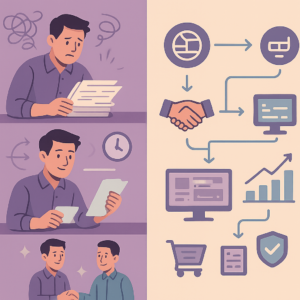
How to Automate Supplier Onboarding for UK SMEs: Streamline Procurement & Ensure Compliance

How to Automate Inventory Management for UK SMEs: Reduce Stock Errors & Boost Efficiency
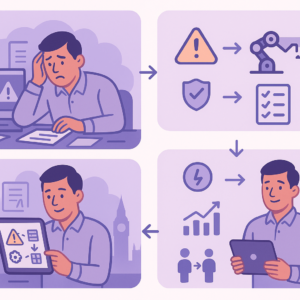
How to Automate Risk Assessment Workflows for UK SMEs: A Compliance Guide
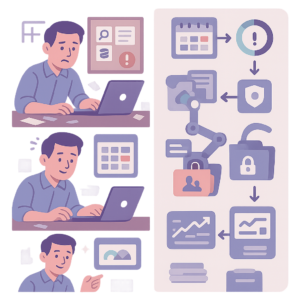
How to Automate GDPR Data Retention Policies for UK SMEs: Delete Personal Data Lawfully
- Should I Use AI to Build My Website? Pros, Cons & Costs
- How to Automate Client Onboarding for UK SMEs: A Practical Guide

- How to Automate Insurance Claim Processing for UK SMEs: Streamline Approvals & Reduce Admin
- How to Automate Subscription Billing for UK SMEs: Reduce Churn & Streamline Recurring Payments
- How to Automate Health and Safety Incident Reporting for UK SMEs: Streamline Compliance & Reduce Liability