How to Automate Compliance Training Tracking for UK SMEs: A Step-by-Step Guide
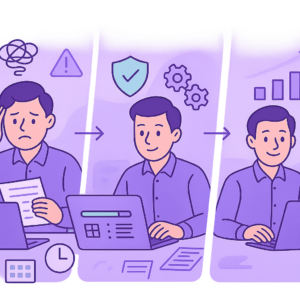
UK SMEs risk GDPR fines and endless admin drudgery by sticking with manual compliance training tracking.
Why UK SMEs Need Compliance Training Tracking Automation
Compliance training tracking automation for UK SMEs is essential for navigating strict regulations such as GDPR and other health and safety mandates while drastically reducing administrative workloads. In today’s fast-paced business environment, small and medium-sized enterprises cannot afford the luxury of manual processes that drain time and resources.
Manual tracking often leads to missed training deadlines, incomplete records, and potential penalties that can cripple a small business. With staff juggling multiple roles, ensuring everyone completes mandatory compliance training becomes a persistent headache, risking non-compliance and operational disruptions.
This comprehensive step-by-step guide will walk you through automating compliance training tracking, from auditing requirements to integrating with HR systems, empowering your SME to achieve reliable compliance effortlessly.
Challenges of Manual Compliance Training Tracking in UK SMEs
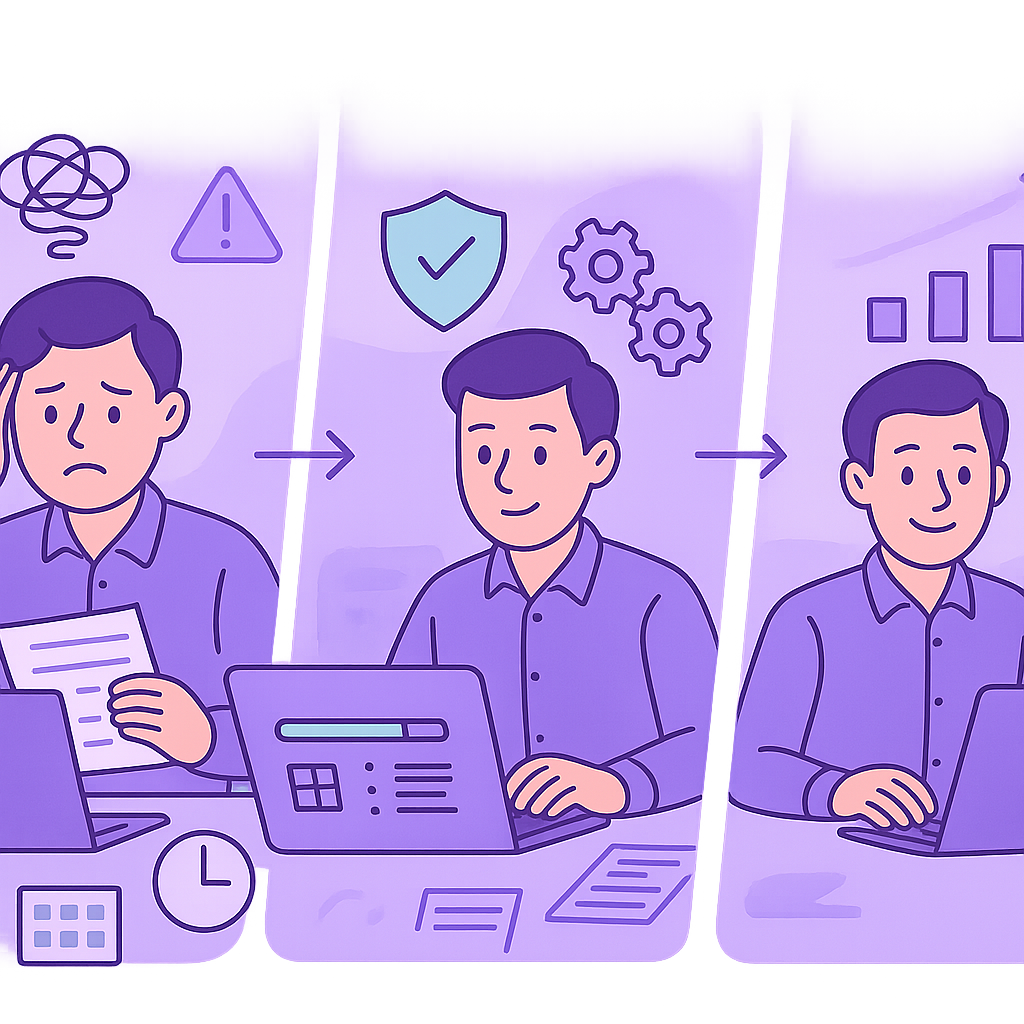
Manual compliance training tracking plagues many UK SMEs with inefficiencies that compound over time. Picture an HR manager spending hours each week emailing staff about overdue GDPR refreshers or health and safety modules, only to chase incomplete responses amid busy schedules.

Spreadsheets, the go-to tool for many, are prone to errors—formula mistakes, version control issues, and lost files during handovers lead to inaccurate records. As teams grow, what works for 10 employees becomes chaotic for 50, exposing businesses to audit risks and fines up to 4% of global turnover under GDPR.
Scalability is another hurdle; manual methods do not adapt well to new hires, role changes, or evolving regulations like the UK’s Employment Rights Bill updates. The constant anxiety of audits, where proving timely completions is paramount, adds unnecessary stress to already stretched SME leaders.
- Time wasted chasing completions and managing spreadsheets.
- Error-prone data entry leading to non-compliance risks.
- Difficulty scaling with business growth.
- Heightened stress during regulatory audits.

Failing to demonstrate employee training records can result in ICO fines starting from £100 for minor issues up to millions for serious breaches. Automate to mitigate this exposure.
Benefits of Compliance Training Tracking Automation for UK SMEs
Implementing compliance training tracking automation UK SMEs brings transformative benefits, starting with massive time savings. Automated systems handle reminders, updates, and reporting, freeing HR teams from repetitive admin to focus on strategic initiatives like talent development.
Completion rates soar with timely, personalised notifications, ensuring staff stay current on critical topics such as data protection and manual handling. Centralised, GDPR-compliant records simplify audits, providing instant access to verifiable proof of training—a game-changer during inspections.
Moreover, automation scales effortlessly with your business, accommodating growth without proportional admin increases. Reduced risk of fines protects your bottom line, while enhanced employee awareness fosters a safer, more compliant workplace culture.
- Slash admin time by up to 80%.
- Boost training completion rates through automated nudges.
- Maintain audit-ready, tamper-proof records.
- Scale seamlessly as your SME expands.
- Minimise regulatory fine risks and operational disruptions.

SMEs using automation report 90%+ completion rates and half the admin time compared to manual methods.
Choosing the Right Tools for Automation
Selecting the right tools for compliance training tracking automation UK SMEs requires balancing ease of use, integrations, and UK-specific compliance. No-code platforms like Zapier or Make excel for connecting apps without developers, while dedicated HR tools such as BambooHR or BreatheHR offer built-in training modules tailored for UK businesses.
Prioritise UK data hosting to meet GDPR localisation preferences, robust integrations with payroll like Xero or Sage, and intuitive dashboards. Pricing should align with SME budgets—monthly subscriptions from £10 per user are common—and look for free trials to test fit.
Consider your team’s tech-savviness; opt for drag-and-drop builders if non-technical. Platforms compliant with CIPD standards and offering mobile access ensure accessibility for field-based staff.
- UK/EU data centres for GDPR adherence.
- Seamless integrations with HRIS, email, and calendars.
- User-friendly no-code interfaces.
- Scalable pricing and free trials.
- Mobile notifications and reporting features.
Steer clear of non-UK hosted tools without DPA clauses to prevent cross-border data transfer issues under GDPR.
Step 1: Audit Your Training Requirements
Begin your compliance training tracking automation UK SMEs journey by auditing current requirements. List all mandatory trainings like annual GDPR awareness, fire safety, and COSHH handling, noting renewal frequencies—typically yearly or biennially—based on UK regulations.
Categorise by employee roles: e.g., all staff for data protection, managers for equality training. Identify gaps through past records or quizzes, and consult resources like HSE or ICO websites for updates. Use a simple spreadsheet template initially to map employees, due dates, and evidence needs.
This audit forms the blueprint for your system, preventing oversights and aligning with legal obligations such as the Management of Health and Safety at Work Regulations.
Key UK trainings: GDPR (Art. 39), Health & Safety (HSWA 1974), Equality Act 2010.
Step 2: Set Up Your Central Tracking Dashboard
With your audit complete, establish a central tracking dashboard in tools like Airtable, Google Sheets with Apps Script, or Monday.com. Include columns for employee name, training type, status (not started/in progress/complete), due date, completion date, and evidence link.
Customise views with filters for overdue items, department breakdowns, and progress charts. Share read-only access with managers for transparency. Starter templates from these platforms speed setup, often under an hour for basics.
This dashboard becomes your single source of truth, enabling at-a-glance compliance checks and proactive management.
- Employee details and role.
- Training assigned and status.
- Due/completion dates.
- Evidence upload links.
- Visual charts and filters.
Step 3: Automate Reminders and Notifications
Automation shines in reminders: use Zapier to trigger emails or Slack pings 7 days before due dates, with escalations to managers at overdue. Tools like Microsoft Power Automate integrate with Outlook calendars for seamless nudges.
Personalise messages—e.g., ‘John, your GDPR refresher is due in 3 days’—and link directly to training portals. Configure completion confirmations to auto-update the dashboard, closing the feedback loop efficiently.
This ensures high engagement without overwhelming inboxes, compliant with PECR email rules.
7 days pre-due: gentle nudge; 3 days: urgent; Overdue: manager alert.
Step 4: Integrate with HR Systems
Integrate your tracking with HR systems like BambooHR or Xero via native APIs or Zapier. Sync new hires automatically to assign trainings, push completions back to personnel files, and flag non-compliant staff in payroll views.
GDPR-safe methods use encrypted connections and minimal data transfer. For example, trigger onboarding workflows where training prerequisites unlock contract starts. This creates a holistic view, reducing silos and errors.
Result: automated, accurate records across platforms, streamlining everything from performance reviews to compliance reporting.
- Pull new employee data.
- Push training status to HRIS.
- Sync updates bidirectionally.
- Secure API/webhook connections.
Only transfer necessary data fields and enable audit logs for transfers.
Step 5: Test, Monitor, and Optimise
Test your full workflow: simulate new hires, deadlines, and completions to catch glitches. Roll out to a pilot group before company-wide, gathering feedback on usability.
Monitor KPIs like average completion time, overdue rates, and audit readiness via dashboard analytics. Schedule quarterly reviews to adapt to regulatory changes, such as new ICO guidance. Iterate based on data—e.g., tweak reminders if rates dip.
This ongoing process guarantees your compliance training tracking automation UK SMEs remains reliable and future-proof.
- Completion rate (>95%).
- Average time to complete.
- Overdue items (<5%).
- Audit report generation time.
Conclusion: Secure Compliance with Automation
Automating compliance training tracking empowers UK SMEs to meet regulatory demands without the pitfalls of manual methods. By following these steps—from auditing needs to optimising integrations—you create a resilient system that saves time, reduces risks, and supports growth.
Do not let admin overload compromise your compliance; embrace compliance training tracking automation UK SMEs today for peace of mind and efficiency. Consider consulting automation specialists to tailor these workflows to your unique setup.
With reliable tracking in place, your team can focus on innovation while staying fully compliant with UK laws.
Key points
- Manual compliance training tracking exposes UK SMEs to fines, errors, and admin overload.
- Compliance training tracking automation UK SMEs implement delivers timely reminders, accurate records, and peace of mind.
- Audit requirements first, then select integrated tools for your setup.
- Automate reminders and HR integrations to create efficient workflows.
- Regular testing and monitoring ensure sustained regulatory adherence.
- Automation frees HR teams for strategic work while scaling effortlessly.
Frequently asked questions
Is compliance training tracking automation suitable for small UK SMEs?
Yes, automation is highly suitable for small UK SMEs, as no-code tools scale effortlessly from a handful of employees to larger teams. They integrate with everyday software like email and HR apps, cutting admin time while depending on your current processes and data quality for smooth implementation.
How do I ensure my training tracking automation complies with GDPR?
Select platforms with UK or EU data centres, enable audit logs, and limit data transfers to essentials only. Regularly review data flows against ICO guidance and include staff privacy notices to maintain GDPR accountability without overcomplicating your setup.
Can automation integrate with existing HR systems like Xero or BambooHR?
Most automation tools such as Zapier or Make offer seamless integrations with popular UK HR systems including Xero, BambooHR, and BreatheHR. Compatibility depends on your specific configurations, but testing during free trials confirms smooth data syncing.
What happens if the automation breaks down during an audit?
Design your system with redundancies like manual backups and dashboard monitoring to spot issues early. Regular testing and fallback processes ensure you can demonstrate compliance, while quick fixes prevent disruptions based on your tool’s reliability features.
How long does it take to set up compliance training tracking automation?
Setup time varies based on factors like your team size, existing tools, and process clarity, often starting with a quick audit and basic dashboard in hours, then expanding to full integrations over days or weeks with iterative testing.
Ready to Automate Your Compliance Training Tracking?
Get personalised advice from Business Automations UK to audit your needs and build reliable workflows that fit your SME. Start reducing admin today with expert support.
This article is for general information only. It is not legal, financial, or compliance advice. If you are unsure about GDPR, HMRC, or regulatory obligations, speak to a qualified professional or reach out to us for more information.
Related Posts
How to Automate Client Onboarding for UK SMEs: A Practical Guide

How to Automate Insurance Claim Processing for UK SMEs: Streamline Approvals & Reduce Admin

How to Automate Subscription Billing for UK SMEs: Reduce Churn & Streamline Recurring Payments
How to Automate Health and Safety Incident Reporting for UK SMEs: Streamline Compliance & Reduce Liability
How to Automate Purchase Order Approval Workflows for UK SMEs: Cut Delays & Boost Compliance
How to Automate Vendor Invoice Processing for UK SMEs: Speed Up Payments & Reduce Errors
How to Automate Invoice Payment Chasing for UK Small Businesses: A Proven 5-Step Guide
How to Automate Supplier Onboarding for UK SMEs: Streamline Procurement & Ensure Compliance

How to Automate Inventory Management for UK SMEs: Reduce Stock Errors & Boost Efficiency
How to Automate Risk Assessment Workflows for UK SMEs: A Compliance Guide
How to Automate GDPR Data Retention Policies for UK SMEs: Delete Personal Data Lawfully
How to Automate Compliance Training Tracking for UK SMEs: A Step-by-Step Guide
- How to Automate Client Onboarding for UK SMEs: A Practical Guide

- How to Automate Insurance Claim Processing for UK SMEs: Streamline Approvals & Reduce Admin
- How to Automate Subscription Billing for UK SMEs: Reduce Churn & Streamline Recurring Payments
- How to Automate Health and Safety Incident Reporting for UK SMEs: Streamline Compliance & Reduce Liability
- How to Automate Purchase Order Approval Workflows for UK SMEs: Cut Delays & Boost Compliance