How Business Automation Can Help Your UK Business Scale Without Hiring Experts: 9 Tips
Struggling to scale your UK business amid rising costs and admin overload, without the budget for expert hires? Business automation provides a practical path to efficient growth.
Unlocking Scalable Growth with Business Automation
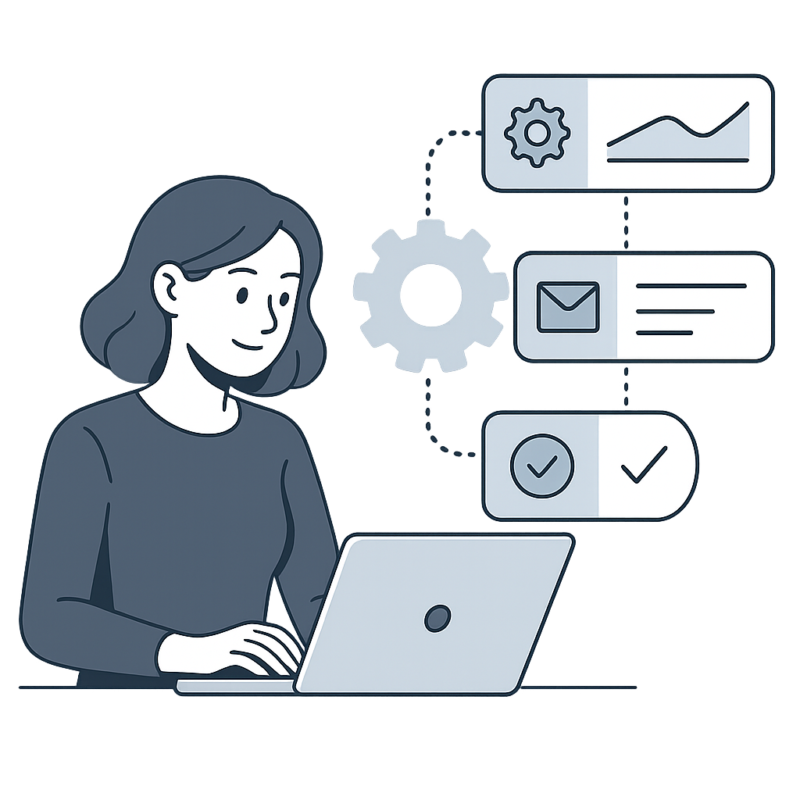
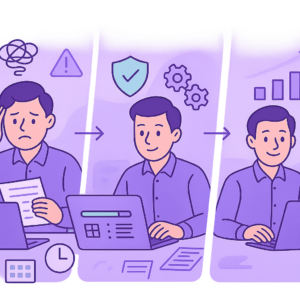
Business automation is transforming how UK SMEs manage growth by eliminating manual bottlenecks without needing costly experts. From repetitive admin tasks to complex workflows, it saves time, reduces errors, and frees resources for core business activities.
Many business owners face scaling challenges like overwhelmed teams, delayed processes, and compliance risks, but accessible no-code tools make business automation achievable for anyone.
In this guide, discover 9 practical tips to implement business automation, tailored for UK businesses aiming to scale smarter.
Common Pain Points in Scaling UK SMEs
As UK SMEs grow, they often hit operational walls that manual processes can’t handle. Rising customer volumes lead to time lost on repetitive admin tasks, such as chasing payments or qualifying leads manually, which drains resources and slows momentum.
Team burnout becomes rampant when staff juggle multiple roles without efficient systems. Cash flow delays from slow invoicing exacerbate financial pressures, especially with UK-specific costs like National Insurance rising and VAT thresholds to navigate.
Scalability limits emerge as processes that worked for 10 customers fail at 100, risking compliance issues under GDPR or HMRC regulations. Without business automation, growth feels precarious, with errors compounding and opportunities slipping away.
- Time wasted on manual data entry and follow-ups, diverting focus from sales and innovation.
- Overloaded teams leading to burnout and high staff turnover.
- Delayed invoicing causing cash flow squeezes and strained supplier relationships.
- Inability to handle volume spikes without proportional hiring.
- Compliance risks from human errors in data handling and reporting.

Ignoring these pain points can lead to stalled growth, increased costs, and potential regulatory fines for UK businesses. Act before bottlenecks halt your progress.
How Business Automation Overcomes These Challenges
Business automation directly tackles these issues by streamlining workflows, allowing UK SMEs to handle more volume with the same team size. No-code platforms enable setup without developers, automating repetitive tasks like lead nurturing or invoice reminders.
It reduces errors inherent in manual work, ensuring consistent compliance with UK data protection laws. Time savings can reach hours per day, redirecting efforts to customer service or strategy, while real-time insights prevent cash flow surprises.
Examples include automated order processing that scales effortlessly or reporting that compiles data overnight, empowering data-driven decisions without spreadsheets.
- Cuts admin time by up to 80%, freeing staff for high-value work.
- Minimises human errors, enhancing accuracy and compliance.
- Enables 24/7 operations without extra hires.
- Provides scalability to match growth spikes seamlessly.
- Delivers real-time visibility into operations and finances.

Business automation typically yields 30-50% efficiency gains for SMEs, with ROI visible in months through reduced labour costs and faster processes.
Choosing the Right Tools for Business Automation
Selecting the right business automation tools is crucial for UK businesses. Opt for no-code platforms like Zapier for simple integrations, Make (formerly Integromat) for complex workflows, or Microsoft Power Automate for Microsoft 365 users. These offer drag-and-drop interfaces accessible to non-experts.
Prioritise tools with strong UK data centre support for GDPR compliance, generous free tiers for testing, and extensive app integrations. Start small with one workflow, test rigorously, and scale as confidence builds.
Evaluate based on ease of use, support quality, and pricing that aligns with SME budgets, avoiding overkill enterprise solutions.
- Zapier: Ideal for quick zaps between 5,000+ apps.
- Make: Powerful for multi-step automations at lower cost.
- Microsoft Power Automate: Seamless with Office tools.
- Assess integration needs with your CRM, accounting, and email first.
- Check for EU/UK data residency and security certifications.
Avoid tools without robust data encryption or UK compliance features, as this could expose your business to fines under GDPR.
Tip 1: Automate Lead Qualification and Follow-Up
Lead qualification often bottlenecks sales teams in growing UK businesses. Business automation scores incoming leads based on criteria like form submissions or website behaviour, then triggers personalised follow-ups via email or SMS.
Using Zapier or HubSpot integrations, connect Google Forms or your website to your CRM. High-potential leads get immediate nurturing sequences, while others enter long-term drips, boosting conversion rates without constant monitoring.
This setup ensures no opportunity is missed, scaling sales efforts as your pipeline grows.
- Capture leads from forms, ads, or chat widgets automatically.
- Score based on engagement, location, or company size.
- Send tailored emails or Slack notifications to sales reps.
- Nurture low-score leads with educational content.
- Track conversions to refine scoring over time.
Tip 2: Streamline Invoicing and Payments
Manual invoicing plagues UK SMEs, delaying payments and tying up accounts teams. Automate with Xero or QuickBooks integrations that generate invoices from new orders or projects, send them instantly, and follow up on overdue ones.
Link your CRM or e-commerce platform to accounting software for seamless data flow. Payment reminders escalate politely, and receipts update records automatically, slashing chase time and improving cash flow predictability.
Ensure setups comply with Making Tax Digital by automating VAT calculations where possible.
- Trigger invoices on deal closure or order completion.
- Schedule reminders at 7, 14, and 30 days overdue.
- Auto-update records on payment receipt.
- Integrate with Stripe or GoCardless for direct debits.
- Export reports for HMRC submissions.
Automated invoicing can reduce days sales outstanding (DSO) by 20-30%, vital for SME survival.
Tip 3: Automate Order Fulfilment and Inventory
For UK e-commerce businesses, order fulfilment scales poorly manually. Business automation connects Shopify or WooCommerce to fulfilment providers like ShipStation, generating labels and updating inventory in real-time across platforms.
Stock alerts prevent overselling, notifying teams via email or Slack when levels are low. This handles seasonal spikes effortlessly, maintaining customer satisfaction amid growth.
Monitor for discrepancies to uphold accuracy, especially with UK post-Brexit shipping nuances.
- New order → generate shipping label automatically.
- Update inventory on dispatch.
- Low stock → alert procurement team.
- Sync across multiple sales channels.
- Handle returns with automated refunds.
Test inventory syncs thoroughly to avoid stockouts or overselling, which can damage reputation.
Tip 4: Enhance Customer Support with Automation
Customer support scales linearly with growth unless automated. Implement chatbots on your site using Intercom or Zendesk to handle FAQs, route complex queries to agents, and log tickets automatically.
Business automation escalates urgent issues, sends satisfaction surveys post-resolution, and integrates with your knowledge base for self-service. This frees agents for high-value interactions, improving Net Promoter Scores.
UK businesses benefit from multilingual support and data logging compliant with consumer rights.
- Bot answers common queries 24/7.
- Auto-categorise and assign tickets.
- Trigger follow-ups for unresolved issues.
- Gather feedback automatically.
- Integrate with CRM for full history.
Tip 5: Automate Your Marketing Campaigns
Marketing consistency falters as UK SMEs scale. Automate with Mailchimp or ActiveCampaign for drip campaigns triggered by user actions, social posts via Buffer, and ad retargeting based on cart abandons.
Business automation personalises content at volume, tracks engagement, and optimises sends. Comply with UK PECR by managing unsubscribes automatically, nurturing leads into customers efficiently.
This builds predictable pipelines without a full marketing team.
- Behaviour triggers: welcome series, abandoned cart.
- Schedule content across channels.
- A/B test automations for performance.
- Segment lists dynamically.
- Comply with opt-in requirements.
Automated campaigns often see 2-5x higher engagement than manual blasts.
Tip 6: Automate Reporting and Analytics
Manual reporting consumes hours weekly for UK business leaders. Automate with Google Data Studio or Power BI pulling data from CRM, sales, and finance tools into live dashboards emailed daily or weekly.
Set alerts for anomalies like sales drops or budget overruns. This delivers actionable insights without spreadsheets, supporting agile decisions amid economic volatility.
Integrations ensure data freshness, tailored to Making Tax Digital reporting.
- Aggregate data from multiple sources.
- Visualise KPIs in dashboards.
- Schedule report deliveries.
- Alert on thresholds exceeded.
- Export for stakeholder meetings.
Always validate automated reports against source data to prevent misguided decisions.
Tip 7: Simplify Onboarding Processes
Onboarding delays hinder team or client growth in SMEs. Business automation sends welcome packs, provisions software access, and assigns tasks via Typeform to Slack or Asana upon sign-up.
For employees, automate payroll setup links and training modules; for clients, contract e-signing and portal access. This ensures smooth starts, reducing ramp-up time significantly.
Secure flows protect sensitive data under UK employment and data laws.
- Trigger on new hire/client form submission.
- Send docs, links, and schedules.
- Auto-assign tasks in project tools.
- Follow up for completion confirmation.
- Revoke access on offboarding.
Tip 8: Integrate Your Tech Stack Seamlessly
Disconnected tools create silos in scaling businesses. Business automation bridges CRM, email, accounting, and support via central hubs like Zapier, syncing contacts, deals, and invoices bi-directionally.
Start with high-pain gaps, test each link, and document flows. This unifies operations, providing a single source of truth for better decisions.
UK firms gain efficiency without custom coding, focusing on growth.
- Sync new CRM contacts to email lists.
- Update deal stages across sales and finance.
- Mirror support tickets to project boards.
- Handle two-way data for accuracy.
- Scale to more apps gradually.
Prioritise native integrations first, then use automation platforms for gaps.
Tip 9: Set Up Monitoring and Alerts
Automations fail silently without monitoring, disrupting UK business operations. Set up dashboards in your tool tracking run success rates, errors, and usage, with alerts via email or Slack for issues.
Regular reviews catch drifts, like API changes, and compliance checks maintain standards. Pause faulty flows immediately to mitigate risks, ensuring business continuity.
This final tip sustains all prior automations for long-term scaling.
- Monitor run history and error logs daily.
- Alert on >5% failure rates.
- Review data outputs weekly.
- Test automations monthly.
- Document pause/resume procedures.
Untended automations can cause data loss, compliance breaches, or process halts—monitor diligently or risk business impacts.
Scale Confidently with Business Automation
Implementing these 9 business automation tips empowers UK SMEs to scale efficiently, overcoming common growth pains without expert hires. From leads to monitoring, each step builds resilient workflows that save time and reduce risks.
Start small, test thoroughly, and iterate based on results. Reliable business automation positions your business for sustainable expansion in a competitive market.
Consider reviewing your processes with automation specialists to tailor these tips to your unique needs, ensuring compliance and optimal performance.
Key points
- Business automation allows UK SMEs to scale operations efficiently without hiring expensive experts.
- Focus on high-ROI areas like leads, invoicing, and reporting for quickest wins.
- Always test automations thoroughly, monitor performance, and ensure data protection compliance.
- Start small, measure results, and expand to build scalable workflows.
- These 9 tips provide a roadmap to growth, reducing admin burdens and risks.
- Implement business automation today to gain a competitive edge in the UK market.
Frequently asked questions
Is business automation suitable for small UK businesses?
Yes, business automation is highly suitable for small UK businesses aiming to scale without expert hires. No-code platforms allow you to automate routine tasks like invoicing or lead follow-ups using intuitive interfaces. Success depends on clearly defining your processes, ensuring data quality, and starting with simple workflows.
How do I ensure business automations comply with GDPR?
To comply with GDPR, select tools with UK or EU data residency, implement consent management, and conduct data protection impact assessments where needed. Automate opt-out mechanisms for marketing and regularly review data flows. Compliance varies based on the personal data involved and your overall setup.
What happens if a business automation fails?
If an automation fails, pause it immediately to avoid disruptions, review error logs, and test corrections in a staging environment. Proactive monitoring with alerts helps catch issues early. Resolution depends on the tool’s diagnostics and your familiarity with the workflow.
Do I need technical expertise to implement business automation?
No technical expertise is required for most business automations, as no-code tools like Zapier or Microsoft Power Automate offer drag-and-drop setups. However, understanding your processes helps, and complex integrations may involve a learning curve based on your tools.
Can business automation integrate with my existing UK business tools?
Yes, popular automation platforms integrate with common UK tools such as Xero, QuickBooks, Shopify, and Microsoft 365. Check the tool’s app directory and trial integrations to confirm compatibility with your specific stack, ensuring seamless data flow.
Ready to Implement Business Automation?
Get expert guidance tailored to your UK business processes from Business Automations UK. We’ll review your workflows and help you start scaling safely without the need for in-house experts.
This article is for general information only. It is not legal, financial, or compliance advice. If you are unsure about GDPR, HMRC, or regulatory obligations, speak to a qualified professional or reach out to us for more information.
Related Posts
How to Automate Client Onboarding for UK SMEs: A Practical Guide

How to Automate Insurance Claim Processing for UK SMEs: Streamline Approvals & Reduce Admin
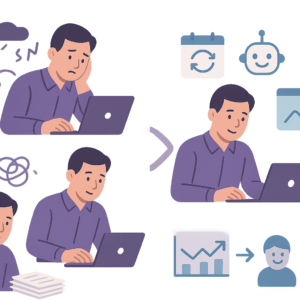
How to Automate Subscription Billing for UK SMEs: Reduce Churn & Streamline Recurring Payments
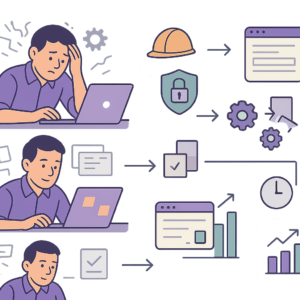
How to Automate Health and Safety Incident Reporting for UK SMEs: Streamline Compliance & Reduce Liability
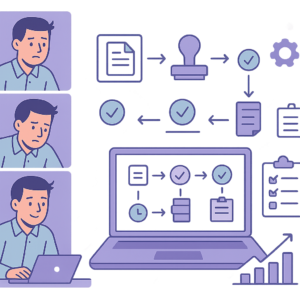
How to Automate Purchase Order Approval Workflows for UK SMEs: Cut Delays & Boost Compliance
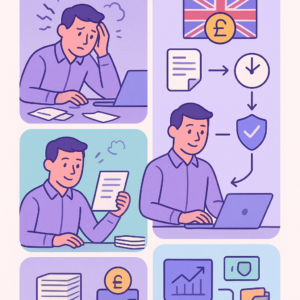
How to Automate Vendor Invoice Processing for UK SMEs: Speed Up Payments & Reduce Errors
How to Automate Invoice Payment Chasing for UK Small Businesses: A Proven 5-Step Guide
How to Automate Supplier Onboarding for UK SMEs: Streamline Procurement & Ensure Compliance

How to Automate Inventory Management for UK SMEs: Reduce Stock Errors & Boost Efficiency
How to Automate Risk Assessment Workflows for UK SMEs: A Compliance Guide
How to Automate GDPR Data Retention Policies for UK SMEs: Delete Personal Data Lawfully
How to Automate Compliance Training Tracking for UK SMEs: A Step-by-Step Guide
- How to Automate Client Onboarding for UK SMEs: A Practical Guide

- How to Automate Insurance Claim Processing for UK SMEs: Streamline Approvals & Reduce Admin
- How to Automate Subscription Billing for UK SMEs: Reduce Churn & Streamline Recurring Payments
- How to Automate Health and Safety Incident Reporting for UK SMEs: Streamline Compliance & Reduce Liability
- How to Automate Purchase Order Approval Workflows for UK SMEs: Cut Delays & Boost Compliance